Signal Interference: Urban Myths in Flux
Current exhibition
Works
-
 Diana CopperwhiteA Darker Star, 2025Oil on canvas18 × 24 cm (7.1 × 9.4 in)
 -
Diana CopperwhiteDilution , 2025Oil on canvas18 × 24 cm (7.1 × 9.4 in)
-
Diana CopperwhiteDesert, 2025Oil on canvas18 × 24 cm (7.1 × 9.4 in)
-
Diana CopperwhitePastoral, 2025Oil on canvas18 × 24 cm (7.1 × 9.4 in)
-
Diana CopperwhiteJenga in the Blue, 2025Oil on canvas18 × 24 cm (7.1 × 9.4 in)
-
Gustavo AcostaIntimate Portrait 1, 2025Acrylic on canvas35.6 × 35.6 cm (14 × 14 in)
-
Gustavo AcostaIntimate Portrait 2, 2025Acrylic on canvas35.6 × 35.6 cm (14 × 14 in)
-
Gustavo AcostaIntimate Portrait 3, 2025Acrylic on canvas35.6 × 35.6 cm (14 × 14 in)
-
Gustavo AcostaIntimate Portrait 4, 2025Acrylic on canvas35.6 × 35.6 cm (14 × 14 in)
-
Gustavo AcostaIntimate Portrait 5, 2025Acrylic on canvas35.6 × 35.6 cm (14 × 14 in)
-
Gustavo AcostaThe Waterfall's Manifesto, 2022Acrylic on canvas132.1 × 132.1 cm (52 × 52 in)
-
Amy HillWoman on a Deck, 2025Oil on canvas50.8 x 76.2 cm (20 x 30 in)
-
Amy HillWhite Church, 2026Oil on Canvas71.1 x 53.3 cm (28 x 21 in.)
-
Amy HillTourist and Church, 2025Oil and canvas71.1 x 60.9 cm (28 x 24 in.)
-
Amy HillTouring Venice, 2026Oil on canvas66 x 83.8 cm (26 x 33 in.)
-
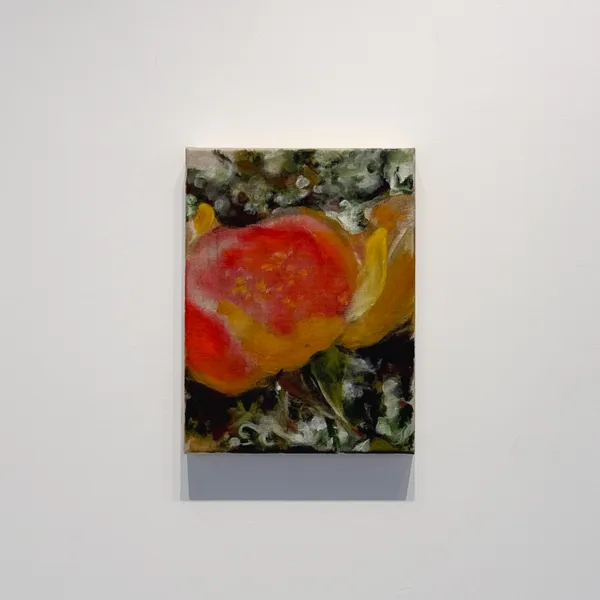
Tanja SelzerAfternoon #2, 2025Oil on linen40 × 30 cm (15.7 × 11.8 in)
-
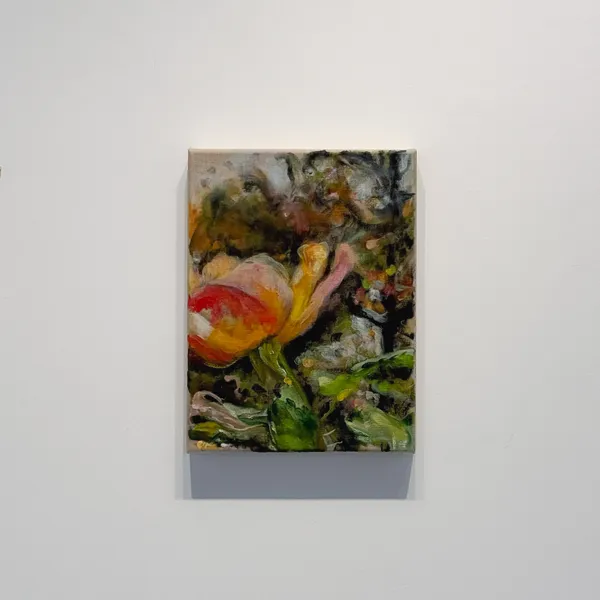
Tanja SelzerAfternoon #3 , 2025Oil on linen40 × 30 cm (15.7 × 11.8 in)
-
Tanja SelzerAfternoon #4, 2025Oil on linen40 × 30 cm (15.7 × 11.8 in)
-
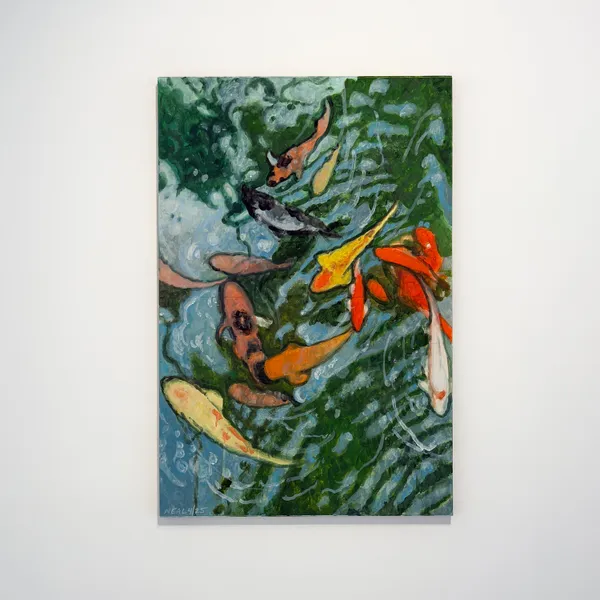
Patrick NealKoi (Allerton Park), 2025Watercolor on paper mounted on panel91.4 × 61 cm (36 × 24 in)
-
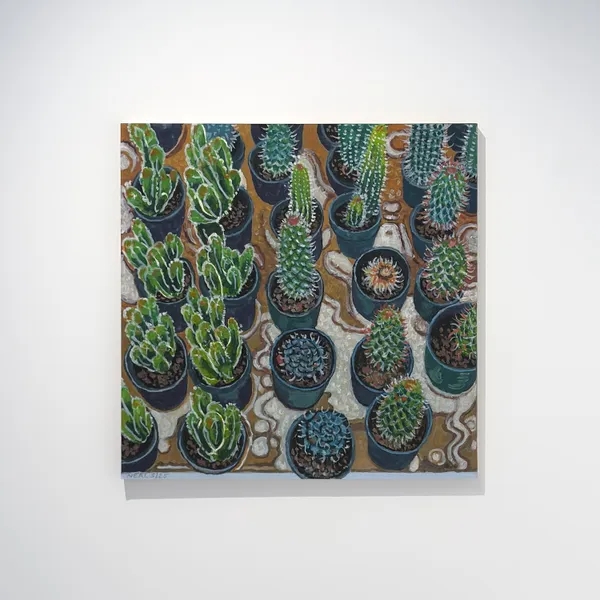
Patrick NealCacti (Allerton Park Greenhouse), 2025Watercolor on paper mounted on panel61 × 61 cm (24 × 24 in)


Overview

Diana Copperwhite, A Darker Star, 2025
Signal Interference: Urban Myths in Flux
Diana Copperwhite • Gustavo Acosta • Amy Hill • Tanja Selzer • Patrick Neal
29 January - 28 March 2026
Opening Reception: Thursday, 29 January, 17:00 - 20:00
532 Gallery is pleased to announce Signal Interference: Urban Myths in Flux, showcasing new and recent works by Diana Copperwhite, Gustavo Acosta, Amy Hill, Tanja Selzer, and Patrick Neal. This exhibition probes the slippery interface between perception, memory, and constructed realities, weaving intimate abstractions with charged figurations to dissect urban decay, digital tensions, and mythic disruptions in an era of perpetual static.


